
Description
Features and Benefits:
- Winter weather traction
- Upgraded controllability
- Quiet driving experience
- Run flat tire model
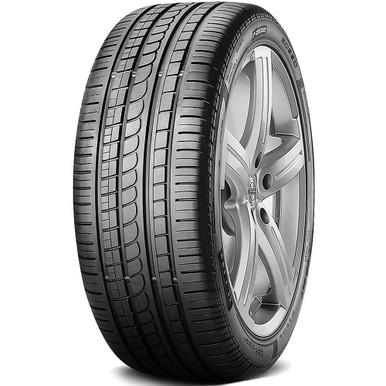
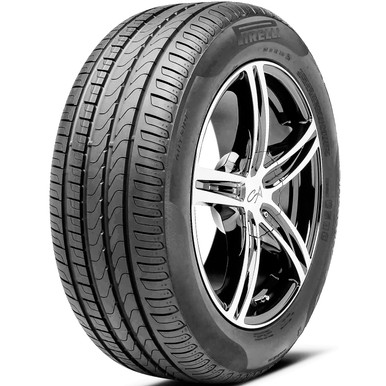
Pirelli Winter Carving Edge Tires
The Pirelli Winter Carving Edge is a touring, winter tire made for passenger vehicles and SUVs.
This is a run flat tire model. It allows the tire to withstand the weight of the vehicle and its passengers in case of air pressure loss. Once air pressure leaves the tire, the model can be driven for 50 miles up to the speed of 50 mph. This enables the vehicle to securely arrive at a nearby location where the damaged tire can be fixed or changed. This limited, temporary performance prevents the vehicle from getting stuck on the side of the road. Run flat tires cannot be mounted on the same vehicle as regular tires.
This model offers excellent winter weather traction. The ideal tread design and the winter compound increase ice and snow grip, in cold temperatures. This combination firmly grips the road with extra biting edges, enabling its ice- and snow-covered road traction. On the other hand, it also keeps the rubber flexible in freezing conditions. The optimized grooves channel water and slush from the footprint, avoiding hydroplaning in the process.
The tread design’s close road contact manages to boost controllability. The tire’s footprint and strong structure increase surface contact at all times, boosting steering responsiveness and driving stability. In other words, the tire increases the steering response time and accuracy to the driver’s commands, while the structure is secured against driving pressure. The shoulder block pattern helps enhance the cornering power by providing extra biting edges. As a result, the driver has full control over the vehicle and guarantees a safe driving experience.
The Pirelli Winter Carving Edge promotes a quiet and comfortable driving experience. The ideal tread design and the special silica compound lower the road and tread noise levels heard in the vehicle’s cabin. This footprint channels airwaves away, preventing them from coming into contact with tread elements and generating noise. By lowering the noise levels, the passengers can enjoy a quiet ride.
Manufacturers recommend changing tires every 10 years. As long as tires are properly stored before they are sold, the year of their manufacture will not shorten their service life.