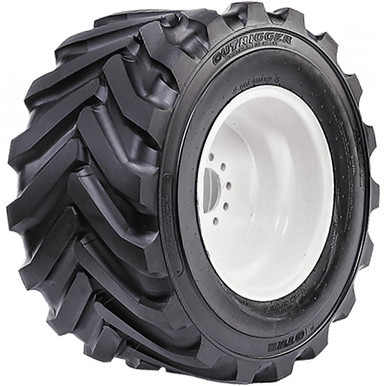
Description
Features and Benefits:
- Versatile terrain traction
- Enhanced controllability
- Upgraded load durability
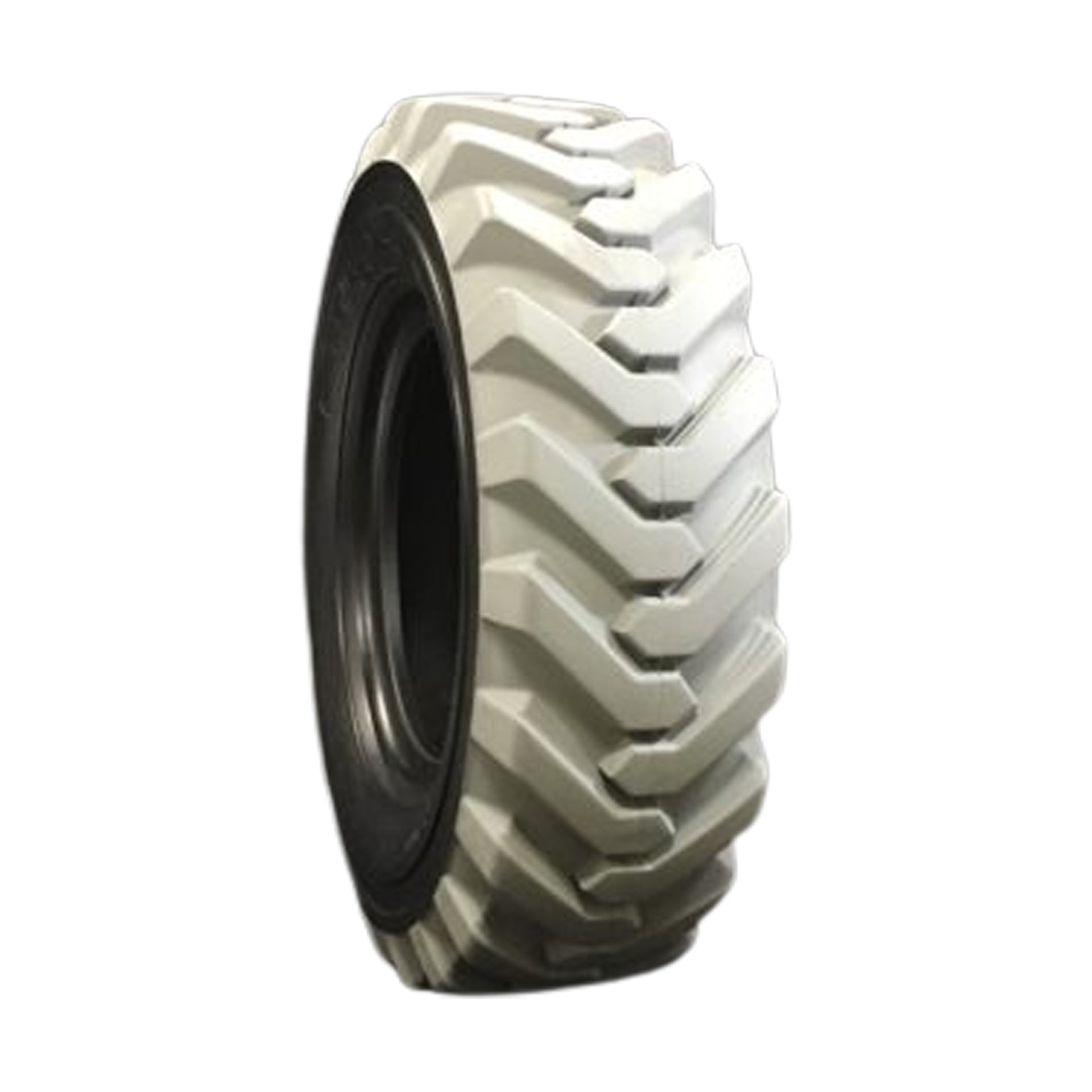
OTR Outrigger HF3 Tires
The OTR Outrigger HF3 is an all season tire manufactured for industrial vehicles.
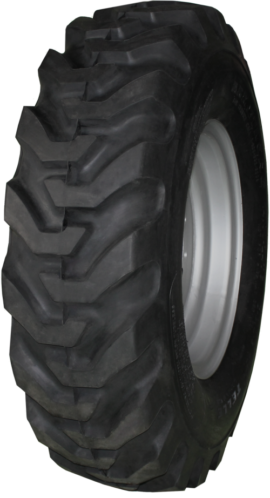
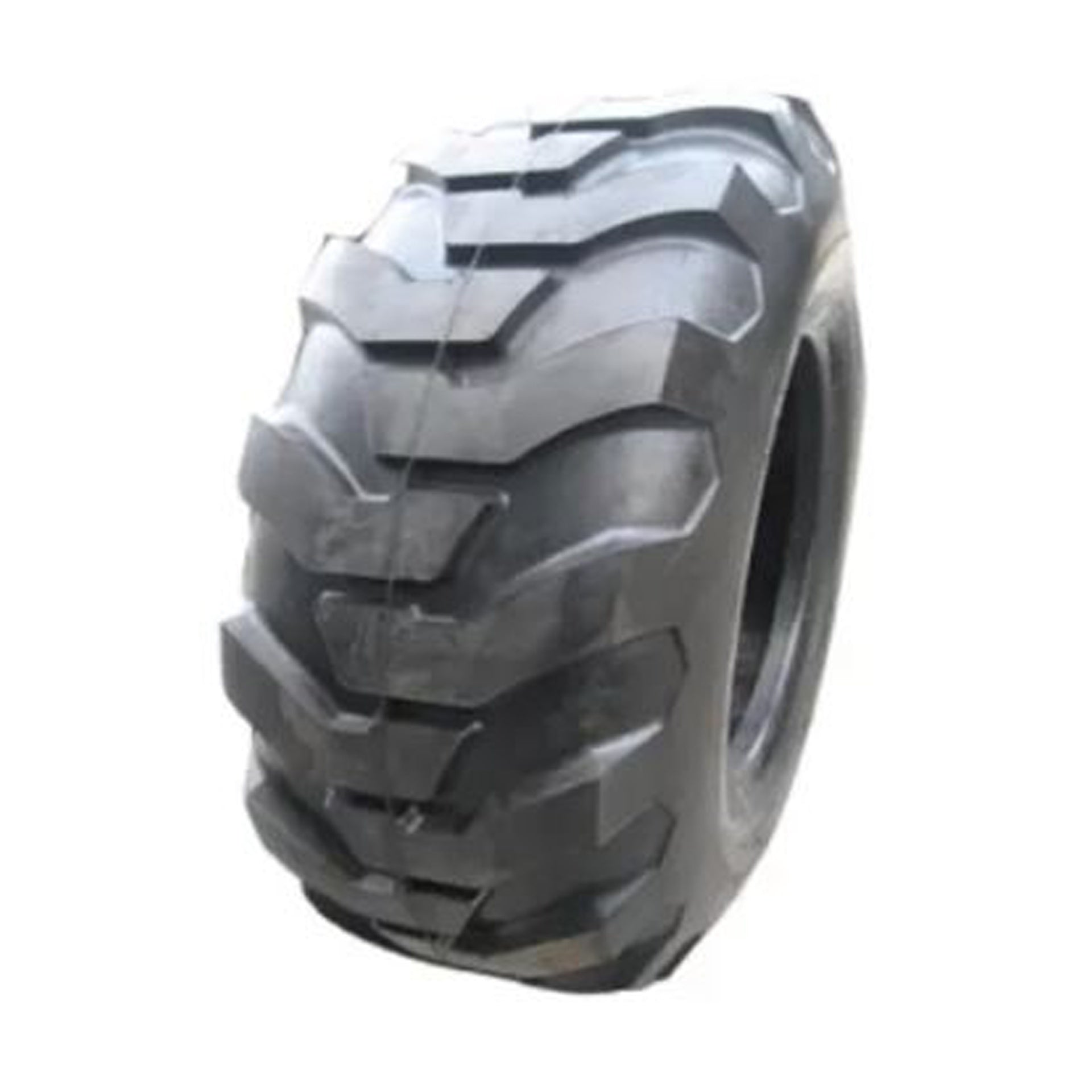
The model promotes excellent on- and off-road performance. The aggressive tread pattern and its consistent surface contact boost traction on soft, loose, and uneven surfaces. At the same time, these elements firmly grip the surface with extra biting edges, maintaining forward motion even through deep muddy terrains. The ideal tread design keeps the footprint clean. The self-cleaning tread eliminates dirt, mud, and snow stuck between the tread elements.
The angled lug pattern and its close road contact improve steering responsiveness and driving stability. In other words, the steering response time is faster and more precise to the driver’s commands, while the structure is secured against driving pressure. At the same time, large elements increase cornering and maneuvering. This gives the driver full control over the vehicle, offering great controllability.
The OTR Outrigger HF3 offers load and driving durability. The strong internal structure and durable rubber compound maintain the ideal tire shape under load and driving pressure. As the tire does not deform,, it can easily carry and withstand heavy loads. This enhances the model’s load-carrying capacity, making it an excellent choice for heavy-duty vehicles.
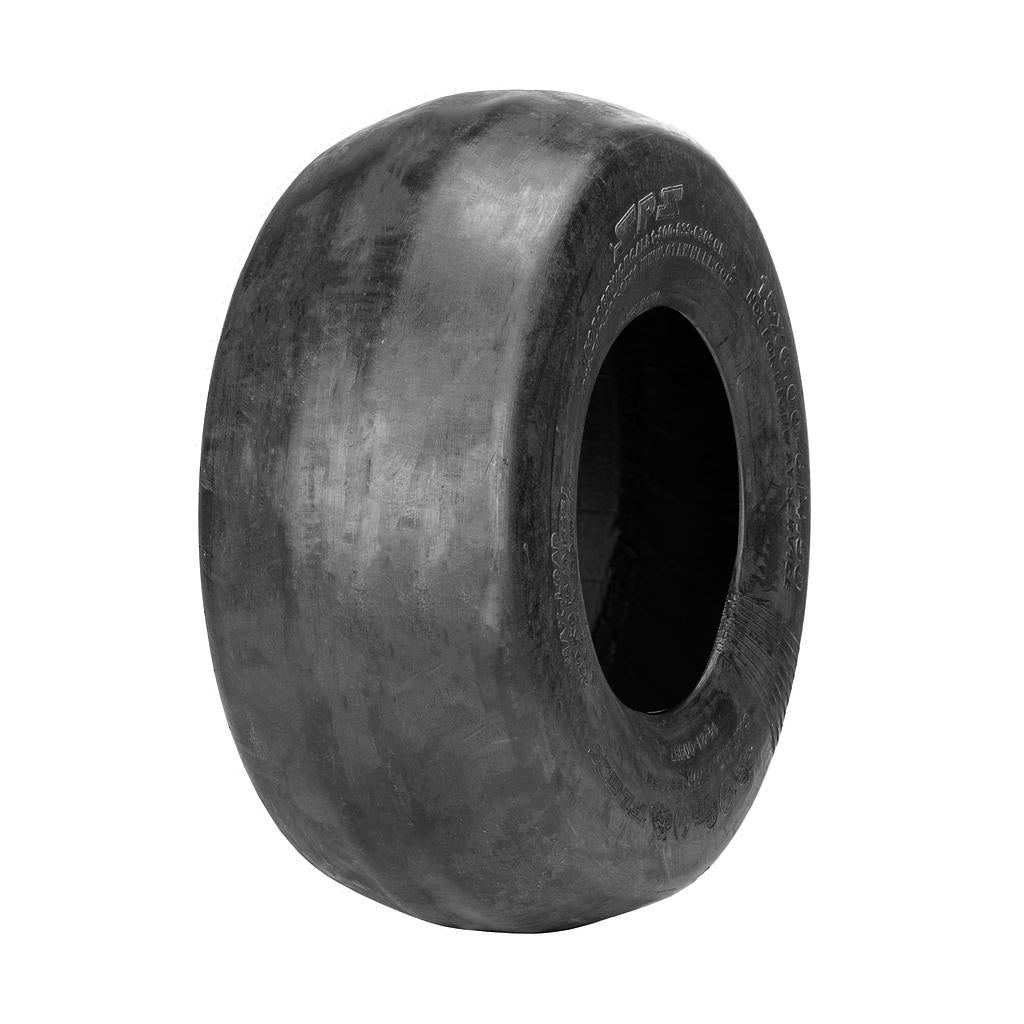
This is a bias ply or diagonal tire. Due to the tire’s internal construction and size, it is possible that the tire will look deformed. Smaller diagonal tires do not have reinforced constructions that can keep the tire from deforming. The bias construction and the small tire’s non-reinforced internal structure allow the tire to fold in when it is deflated or not properly inflated. This is not constructional damage or an issue; it is a normal occurrence with such tires. In such cases, the tire needs to be mounted and inflated to the proper PSI or, in some instances, an inner tube needs to be added. The proper PSI and the inner tube are able to maintain the tire’s ideal shape, preventing the bias plies from looking deformed. This ensures their performing safety and durability.
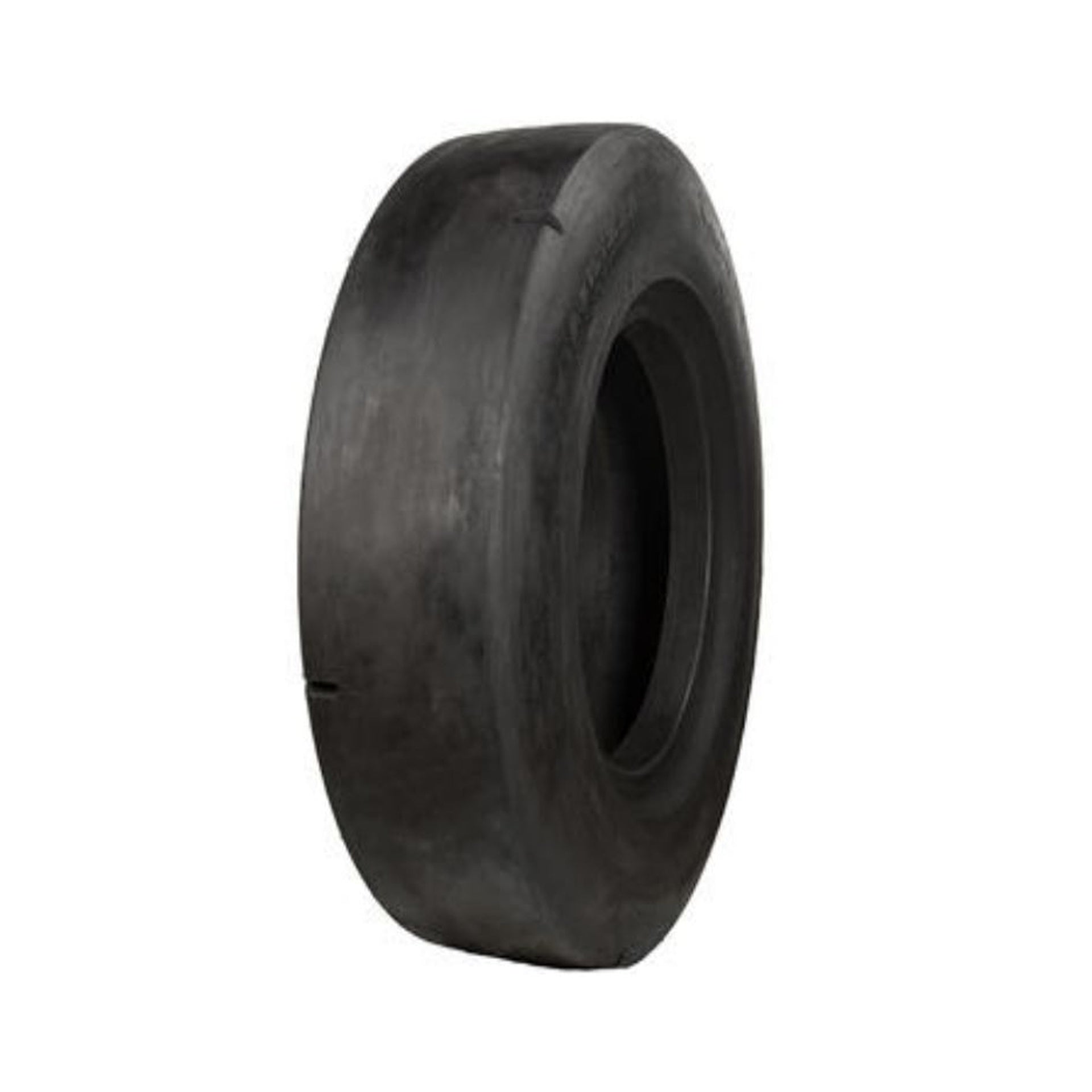
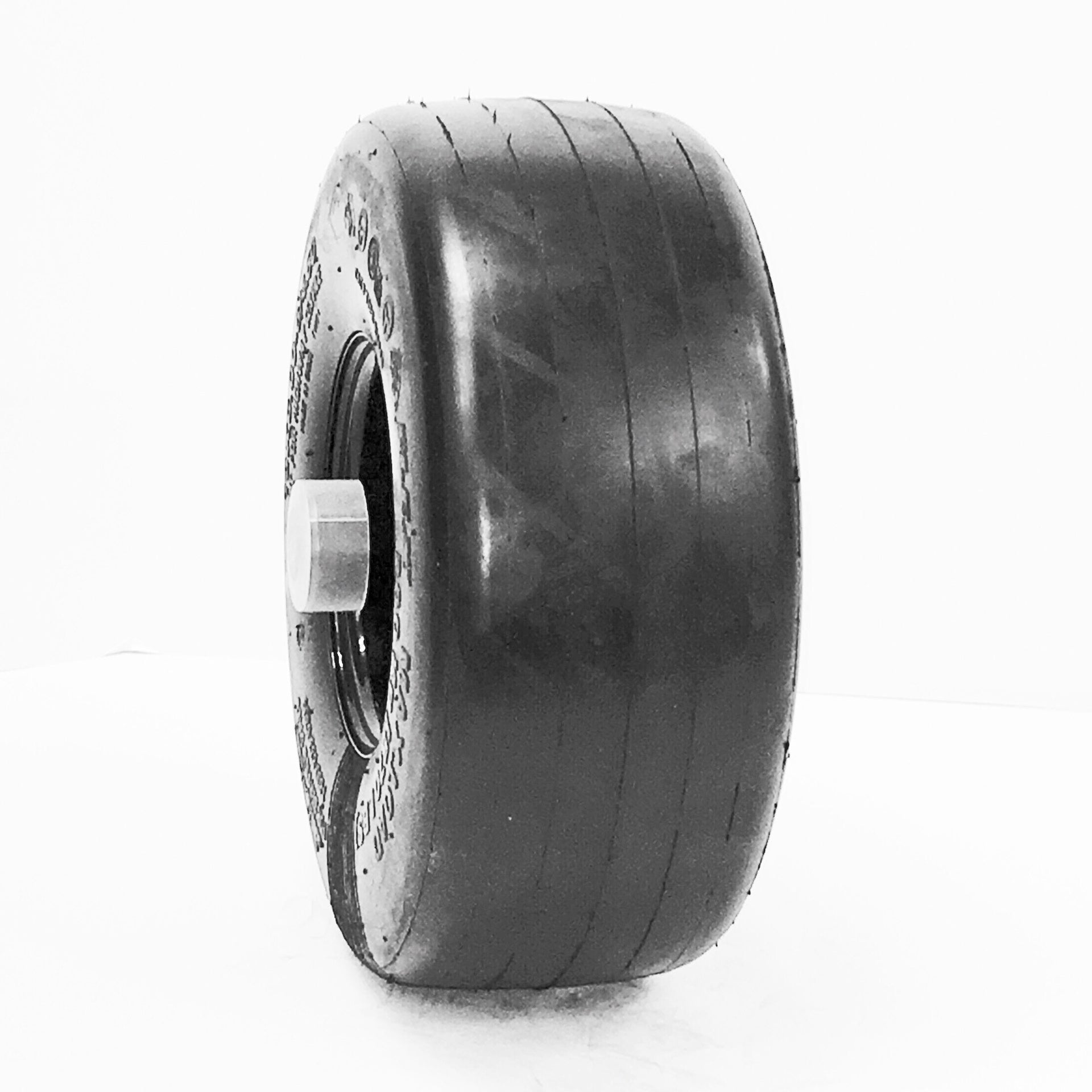
The photo is a representation of the tire’s possible deformation, it does not represent the specific tire model, size, tread pattern and application.
Manufacturers recommend changing tires every 10 years. As long as tires are properly stored before they are sold, the year of their manufacture will not shorten their service life.